EASY tips on collecting and hanging artwork you love
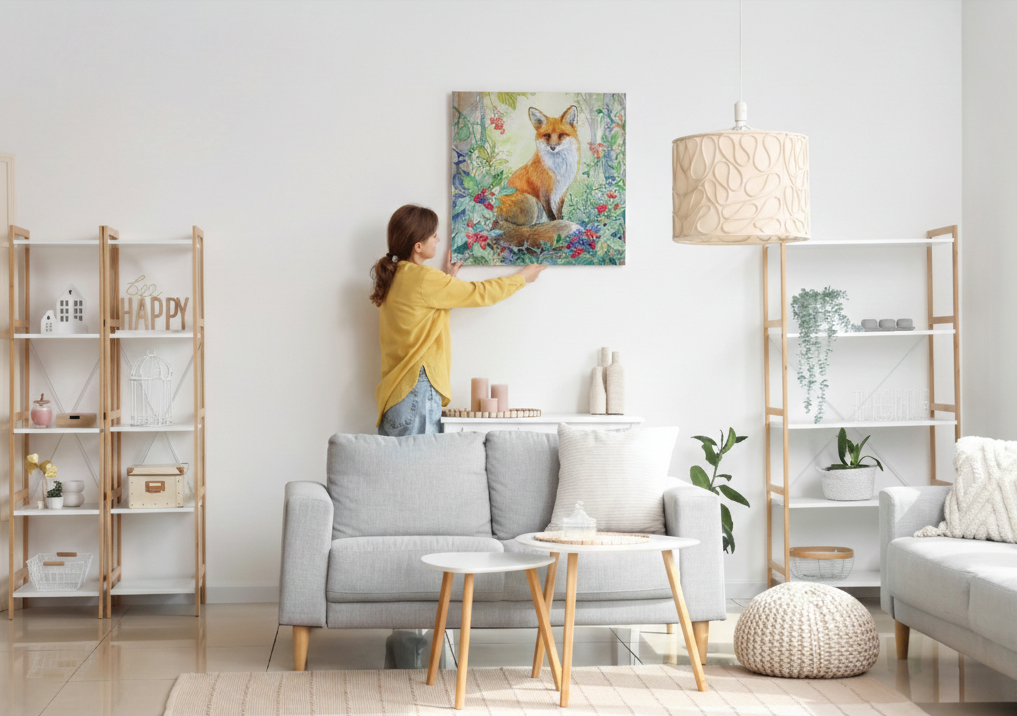
How to Hang and Light Your Artwork
Art has the power to transform any space, bringing it to life and giving guests a glimpse at your own unique personality! However, the way you hang and light your artwork can significantly influence its impact. I want to share some essential tips on how to showcase your art pieces to their fullest potential.
Choose artwork that speaks to your heart (not just your room)
Buying art that speaks to your heart can transform your living space into a sanctuary of self-expression and emotional richness, far beyond the confines of merely matching your sofa.
When you choose art that truly captivates your heart, sparks a joy, memory or nostalgic feeling, each piece becomes a reflection of your inner world, a dialogue between your emotions and your environment.
This emotional connection infuses your home with a unique atmosphere, creating spaces that are not only visually stimulating but also profoundly comforting. Your art becomes a storyteller, narrating the journey of your passions, dreams, and experiences. In this way, they become points of conversation for guests in your home as well.
Art selected with your heart can elevate the aesthetics of your home, introducing layers of meaning and depth that mere colour coordination cannot achieve. It invites guests to engage in conversations about your collection, fostering connections and shared experiences. Each artwork becomes a focal point, drawing attention not just to its beauty, but to the story and sentiment behind it.
Moreover, heartfelt art imbues your living space with a sense of authenticity and individuality. It’s a bold declaration of who you are, your tastes, and your values. This personal touch ensures that your home is not just another beautifully decorated space, but a deeply personal haven.
HOW TO MAKE it all “GO TOGETHER”
By grouping works together based on colour, not only does this create a more harmonious look, but it allows for more flexibility and expansion in your collection. This way you can hang various mediums, sizes and styles and focus on investing in artwork that you LOVE rather than feeling limited by whether it’s an exact “match” to your exiting pieces.
So, let your heart guide your art collection. Embrace the pieces that move you, challenge you, and inspire you. In doing so, you'll create a living space that is not only aesthetically pleasing but also a true reflection of your identity, filled with warmth, emotion, and unparalleled charm.
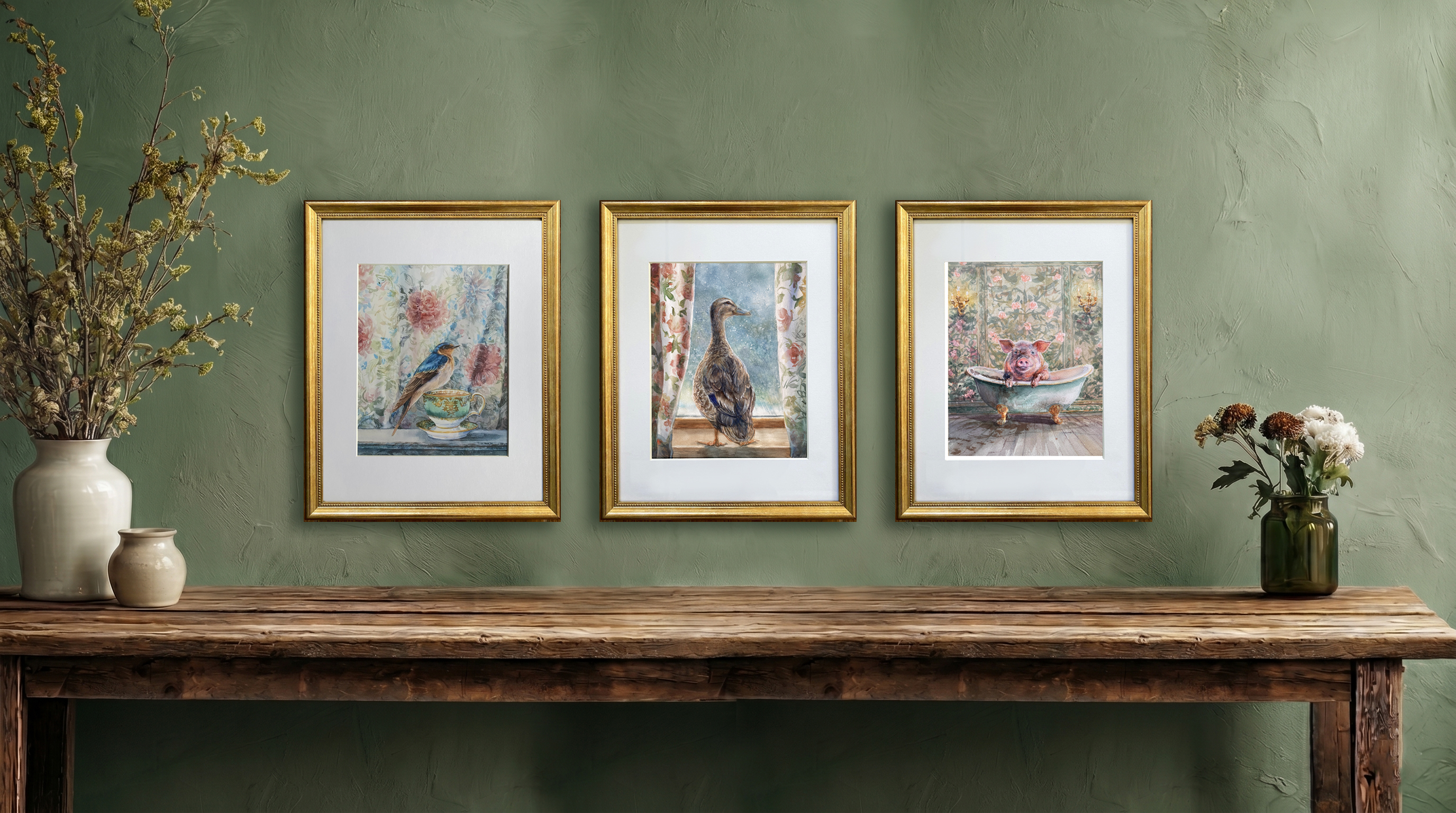
The Art of Hanging Artwork
Placement and Height
- Eye Level: The general rule is to hang artwork at eye level. This usually means the center of your piece should be around 57-60 inches from the floor. This height is comfortable for viewing and makes the artwork a focal point.
- Grouping: When hanging multiple pieces, treat the group as one unit. Arrange them on the floor first to experiment with different layouts. Ensure the spacing between frames is consistent, ideally between 2-3 inches.
- Room Function: Consider the purpose of the room. For a living room, over a sofa or fireplace works well. In a dining room, art should be visible when seated. Bedroom pieces should be soothing and placed where they are easily viewed from the bed.
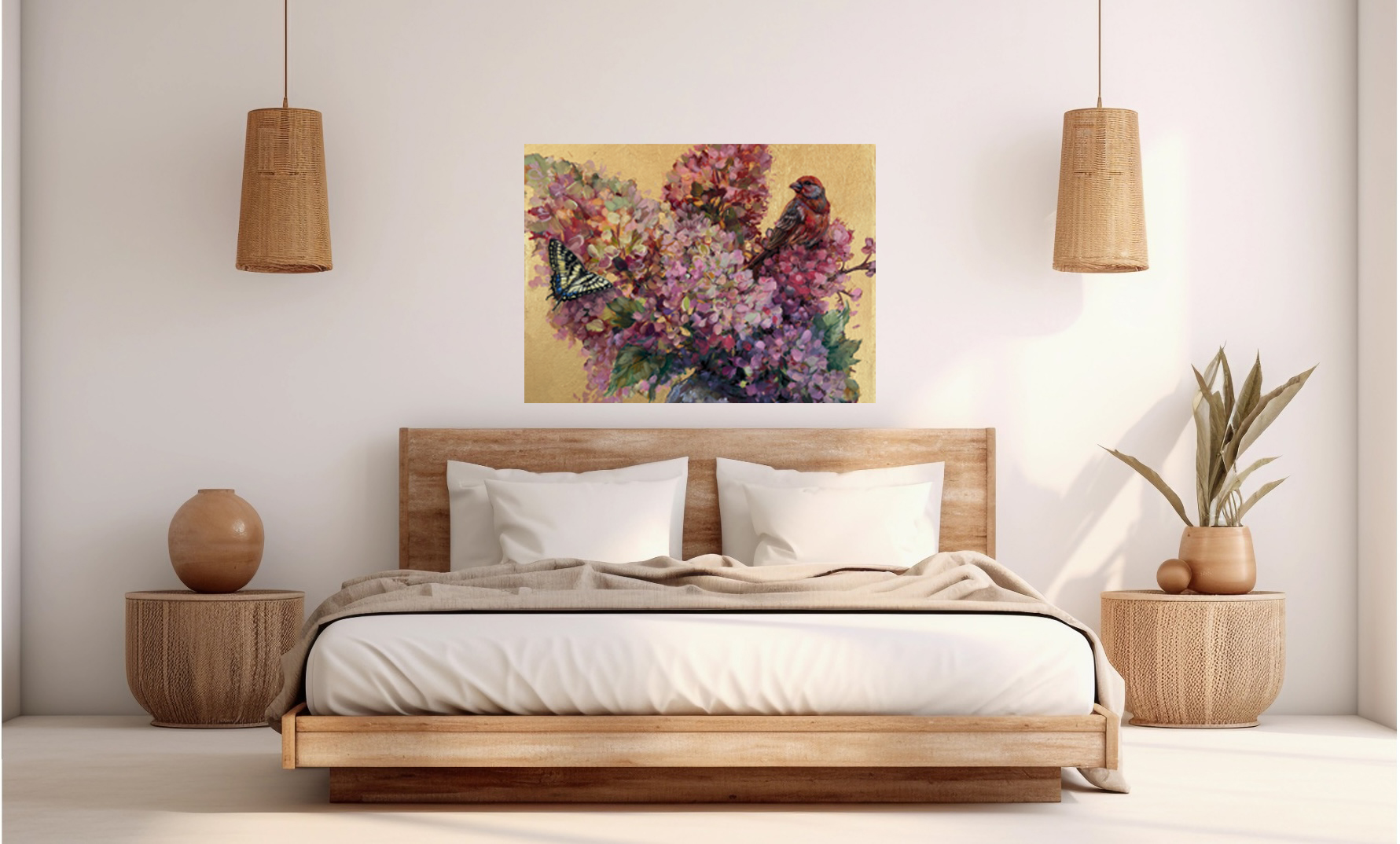
- Word of caution regarding fireplace & windows: It can be tempting to give your favourite works pride of place above the fireplace, but Christie’s art handlers recommend proceeding with caution. ‘We see plenty of pictures that come in for valuation having been hung above a fireplace,’ says Pat Galligan, who works at Christie’s in London. ‘Over time, the canvas can melt or be damaged — a phenomenon that can also affect works hung above a radiator.’ So choose a safe height / distance or type of "substrate" that can handle the heat. Perhaps a ceramic or resin, metal relief sculpture. Similarly, light can fade fragile or unprotected works. ‘Beware of direct sunlight, and never hang a drawing or a watercolour near a window.’
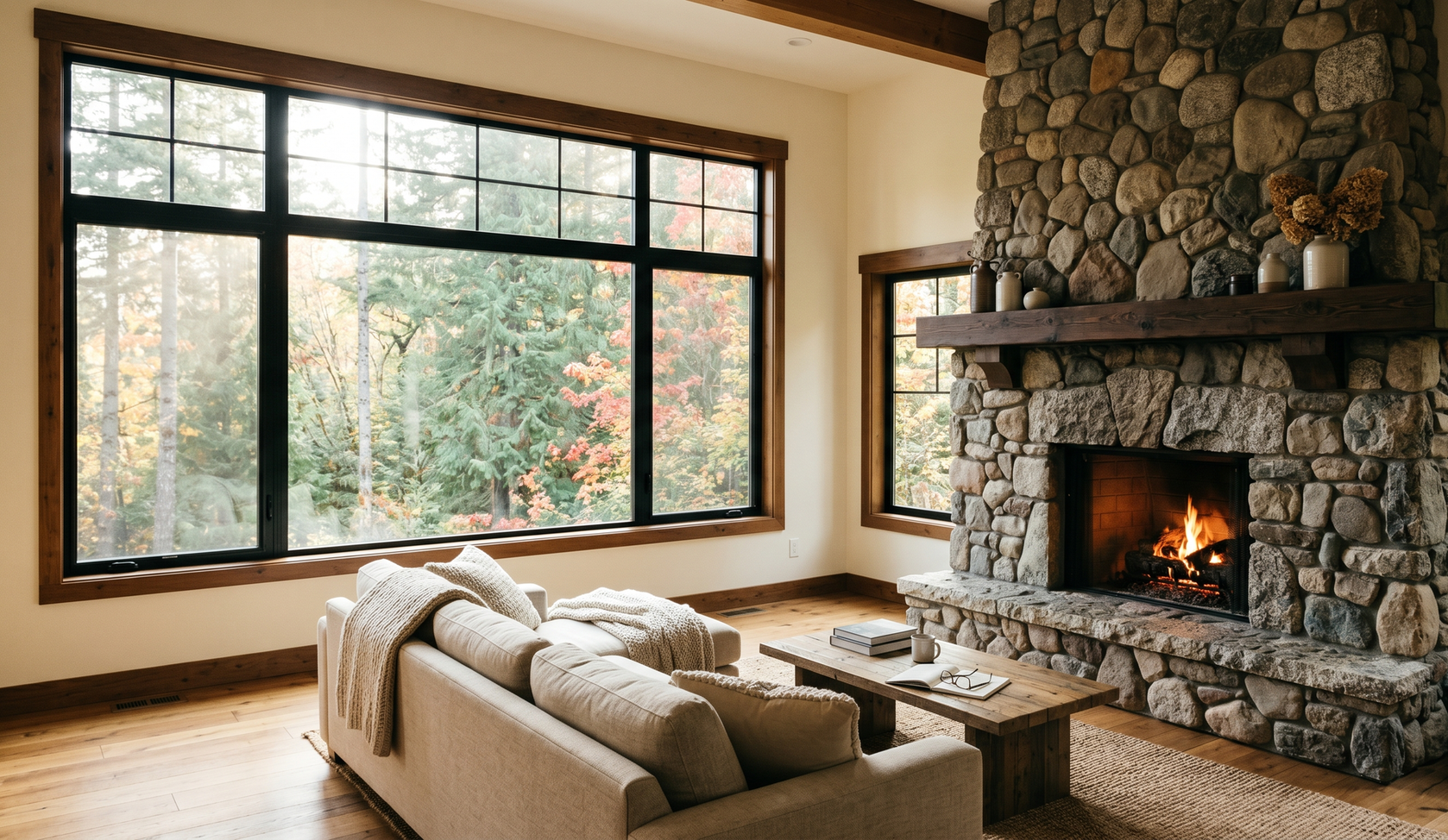
Tools and Tips
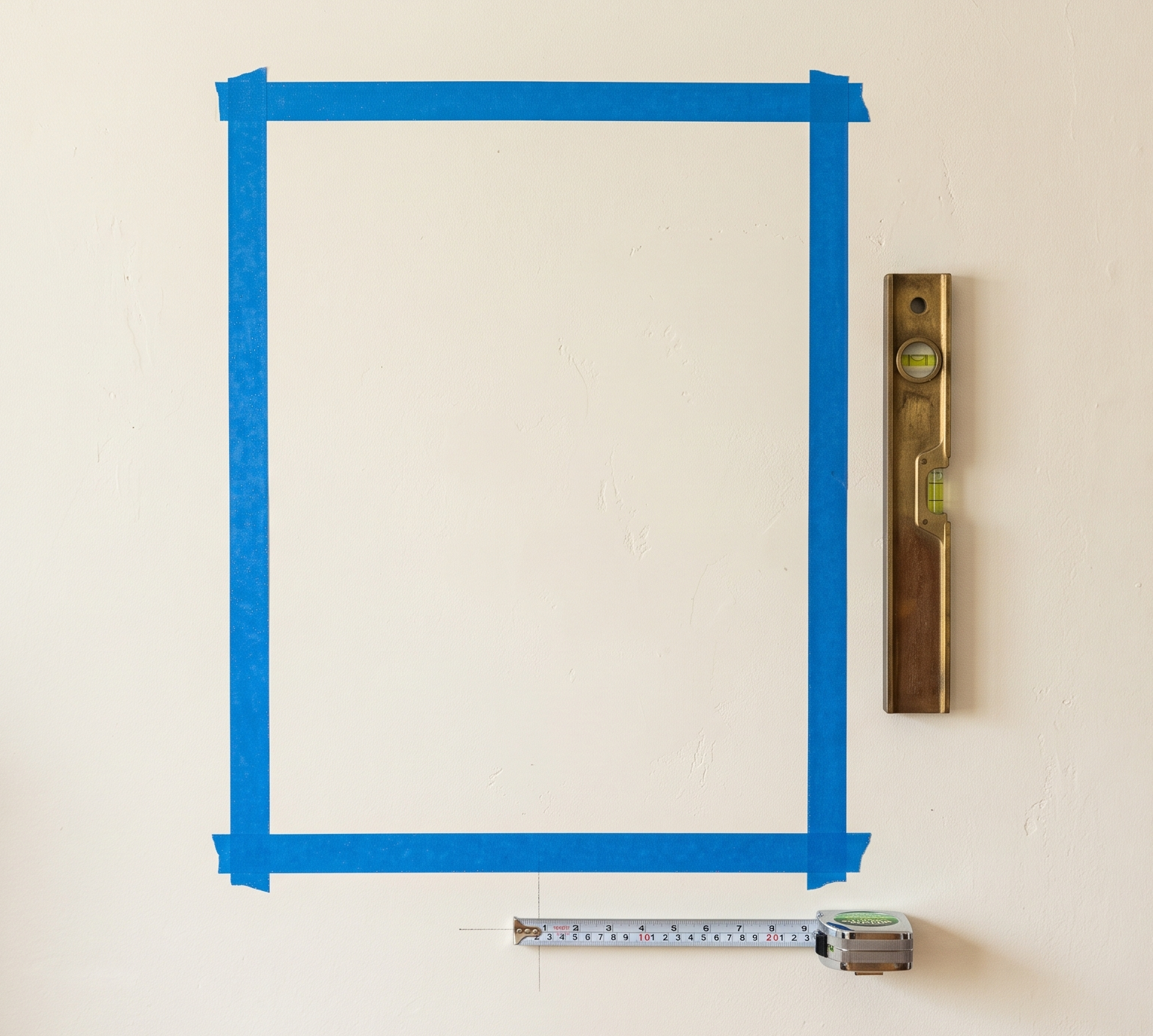
- Visual Planning: Use a tape measure, level, and painter’s tape to mark out exact placements before making any permanent holes.
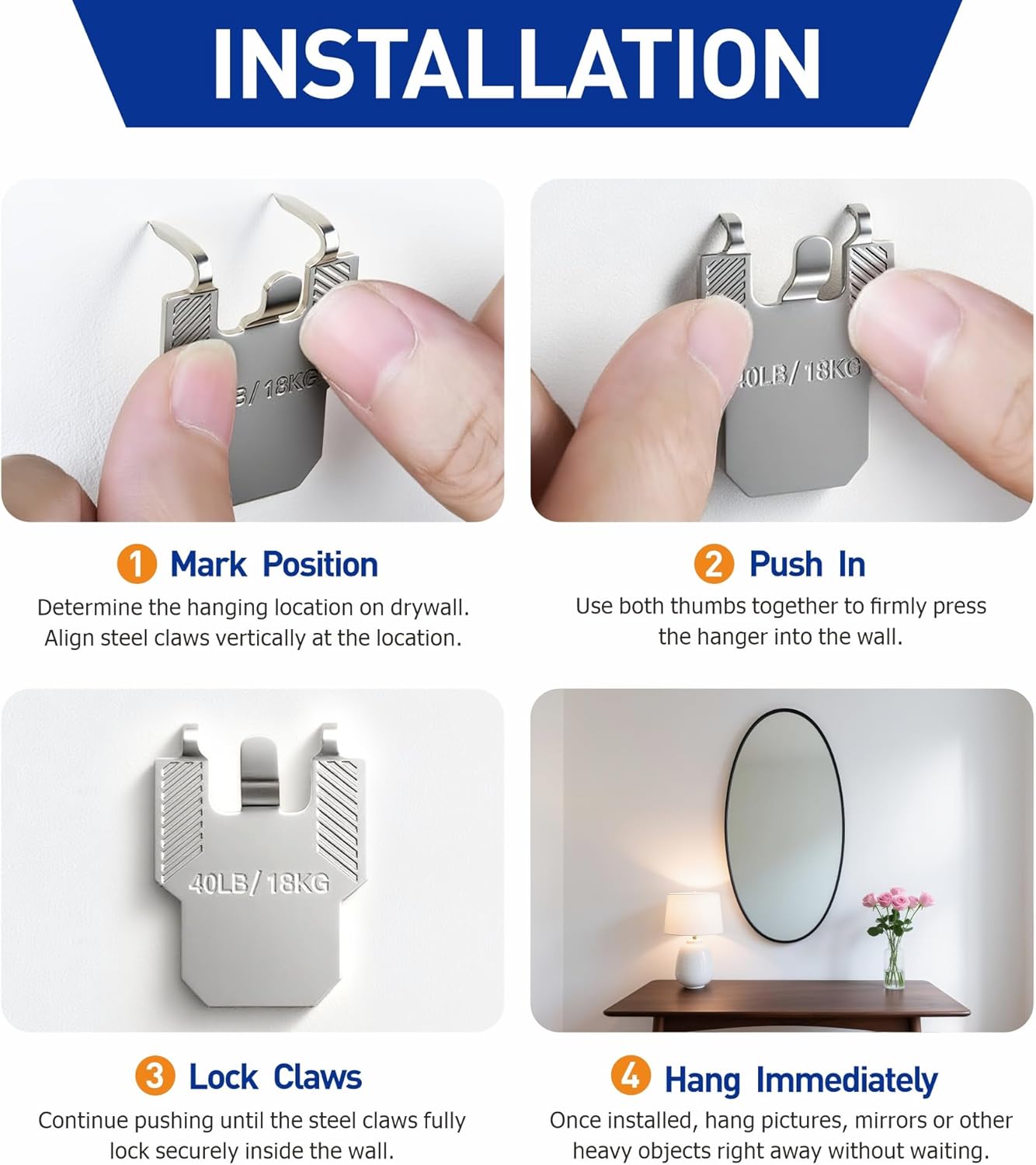
- Wall Preservation: Choose proper picture-hanging hooks over basic nails or screws; they better distribute weight and prevent unnecessary wall damage.
- Heavy Lifting: For heavier artwork, always rely on sturdy wall anchors or mount directly into a wall stud for complete peace of mind.
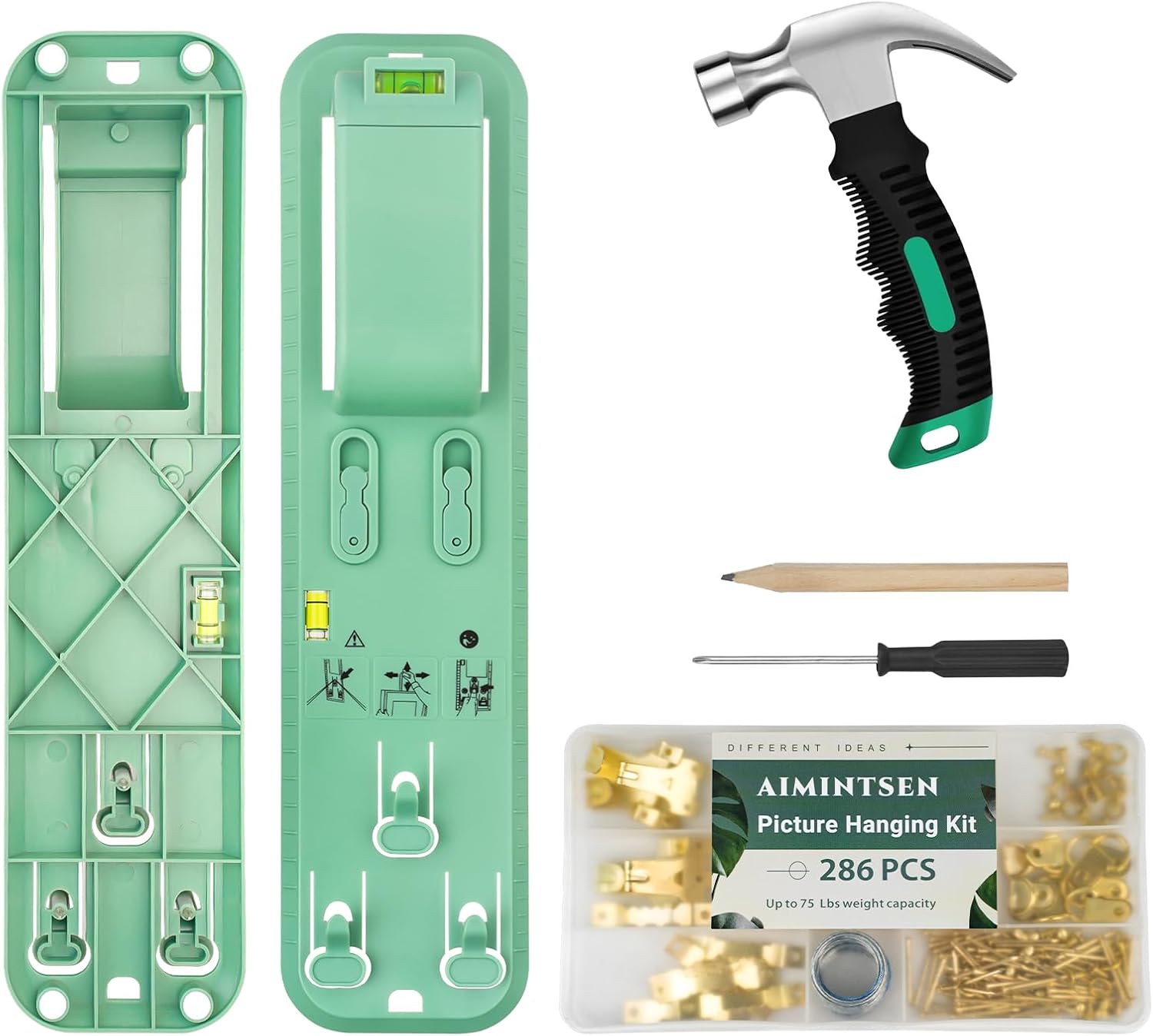
FOR HEAVY WORKS & PLASTER WALLS:
The Science of Lighting Artwork
Types of Lighting
- Ambient Lighting: General room lighting that provides overall illumination. While it's not sufficient to highlight art alone, it sets the stage.
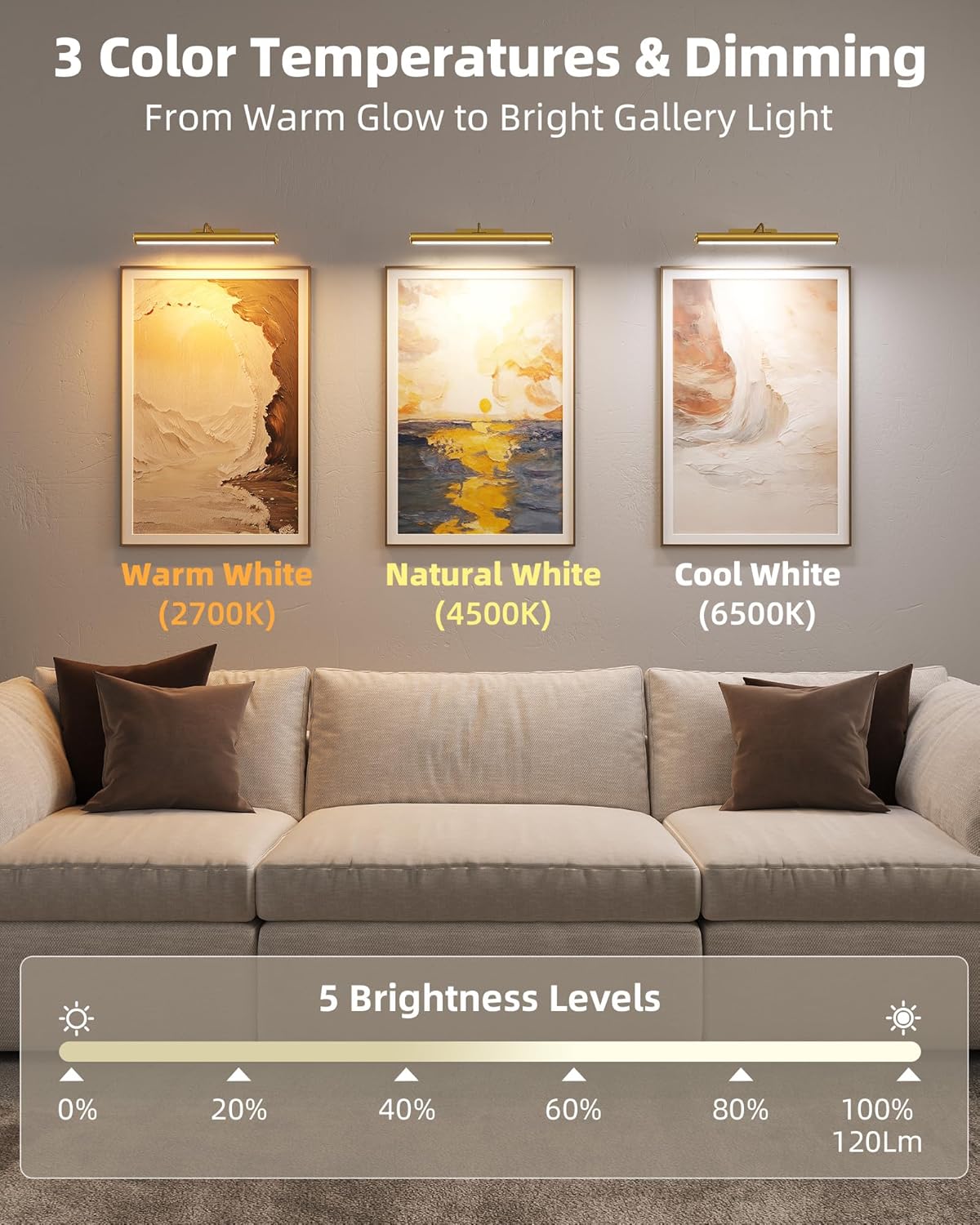
- Accent Lighting: This is key for emphasizing art. Picture lights, track lighting, or adjustable recessed lighting can focus light directly onto the artwork.
- Natural Light: Be cautious with direct sunlight, as it can fade and damage artwork over time. Use UV-filtering glass or acrylic to protect pieces in sunlit areas.
Techniques
- Angle: The optimal angle for lighting art is 30 degrees. This minimizes glare and shadows. Adjust the angle by 5 degrees if the art is textured or framed under glass, to reduce reflections.
- Brightness and Color Temperature: Use LED lights with a high CRI (Color Rendering Index) to ensure colors appear vibrant and true to life. A color temperature of around 3000K-3500K is ideal for most art.
Hanging and lighting artwork is an art in itself.
By following these expert tips, you can ensure your pieces are displayed beautifully and enjoyed to their fullest. Remember, the right piece of art can profoundly enrich your living space, and connecting personally with the artwork makes the experience all the more rewarding.